

June 30, 2026
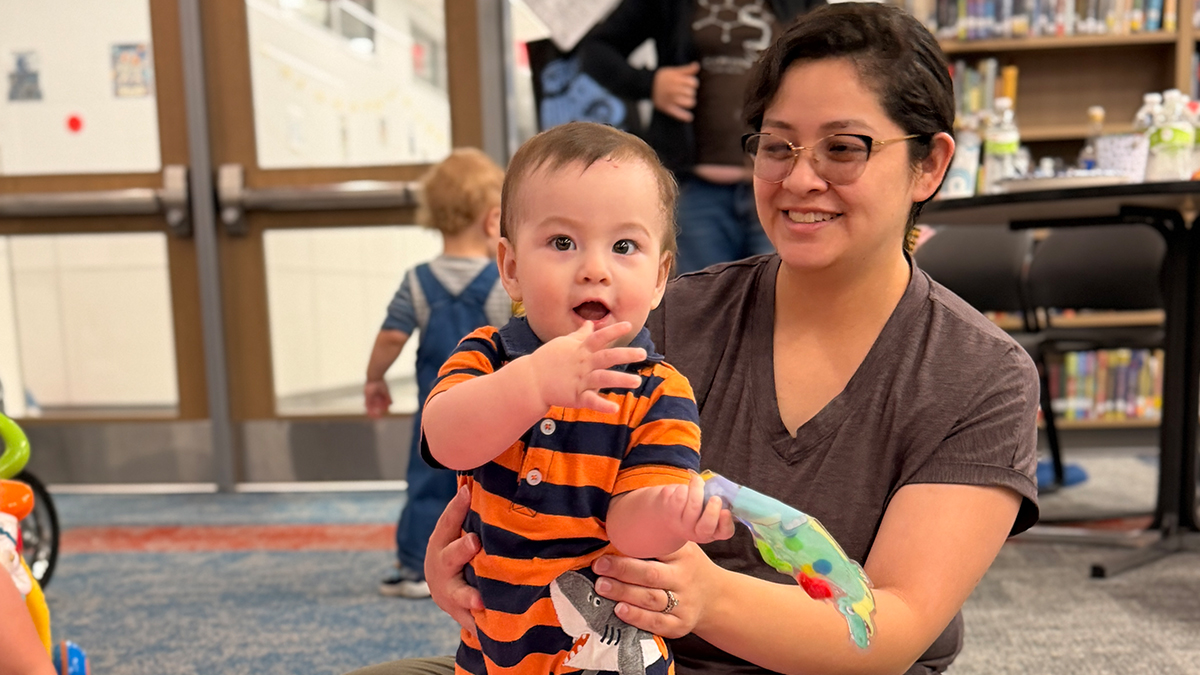
For Meadows Elementary in Ralston Public Schools, the 2025–26 school year marked the beginning of something new.
In August, the school began its first year as a School as Hub site. School as Hub programming highlights the central role that schools can undertake as “hubs” that connect young children—and their families—with high-quality, comprehensive, and continuous early childhood education and services starting at birth and continuing through third grade.
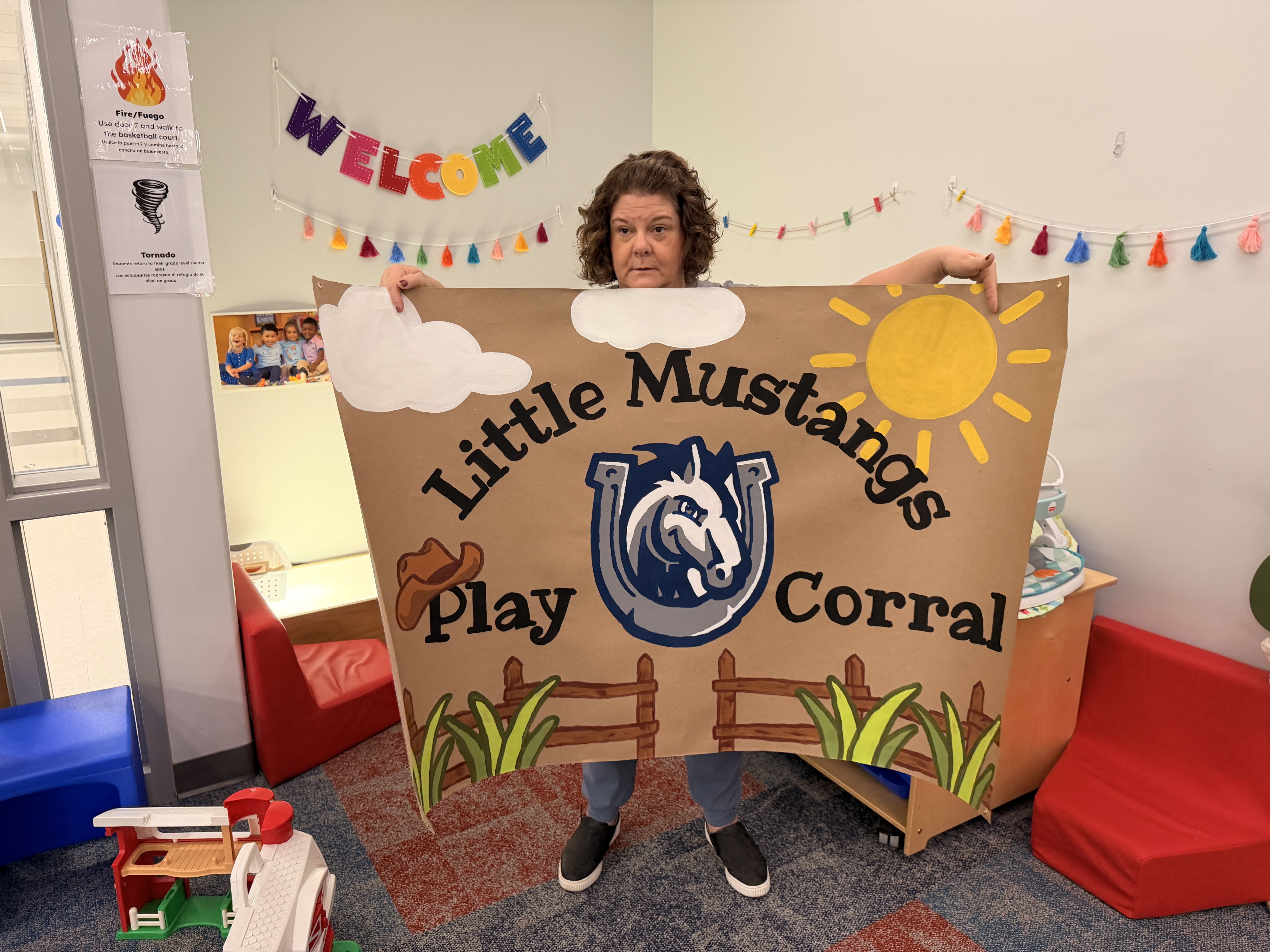
One aspect of the programming, affectionately called the “Little Mustangs” program, aims to connect families with resources, support, and a sense of community long before children enter a Kindergarten classroom.
"We know that these families are going to be part of our school, so why not start when they're young?" said Susan Morice, the family facilitator at Meadows Elementary. "If you want to build a community, a school community, the best way to do that is to bring them in as early as we can."
Morice began sharing information with parents at the start of the school year, distributing informational fliers, presenting at school events, and reaching out to families directly.
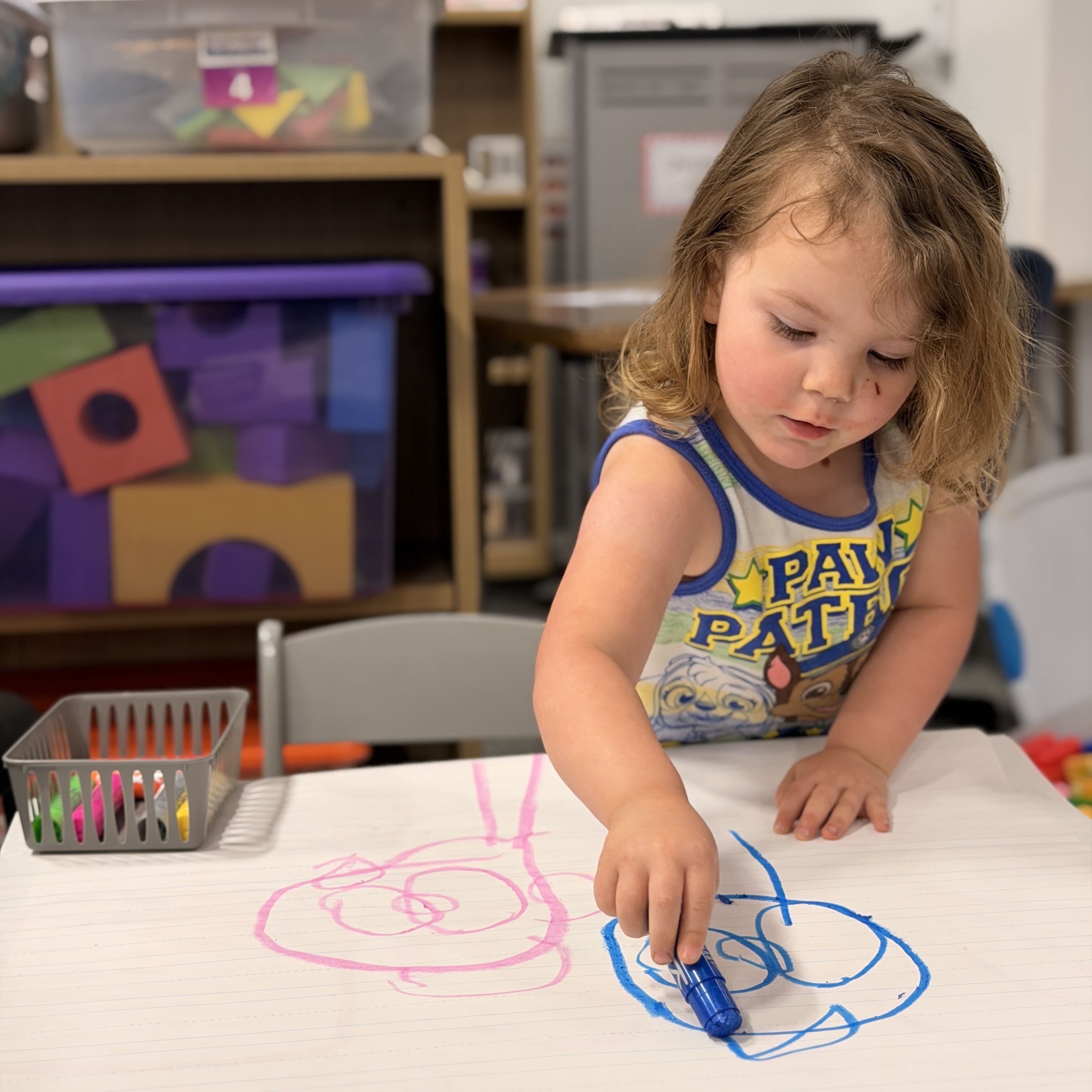
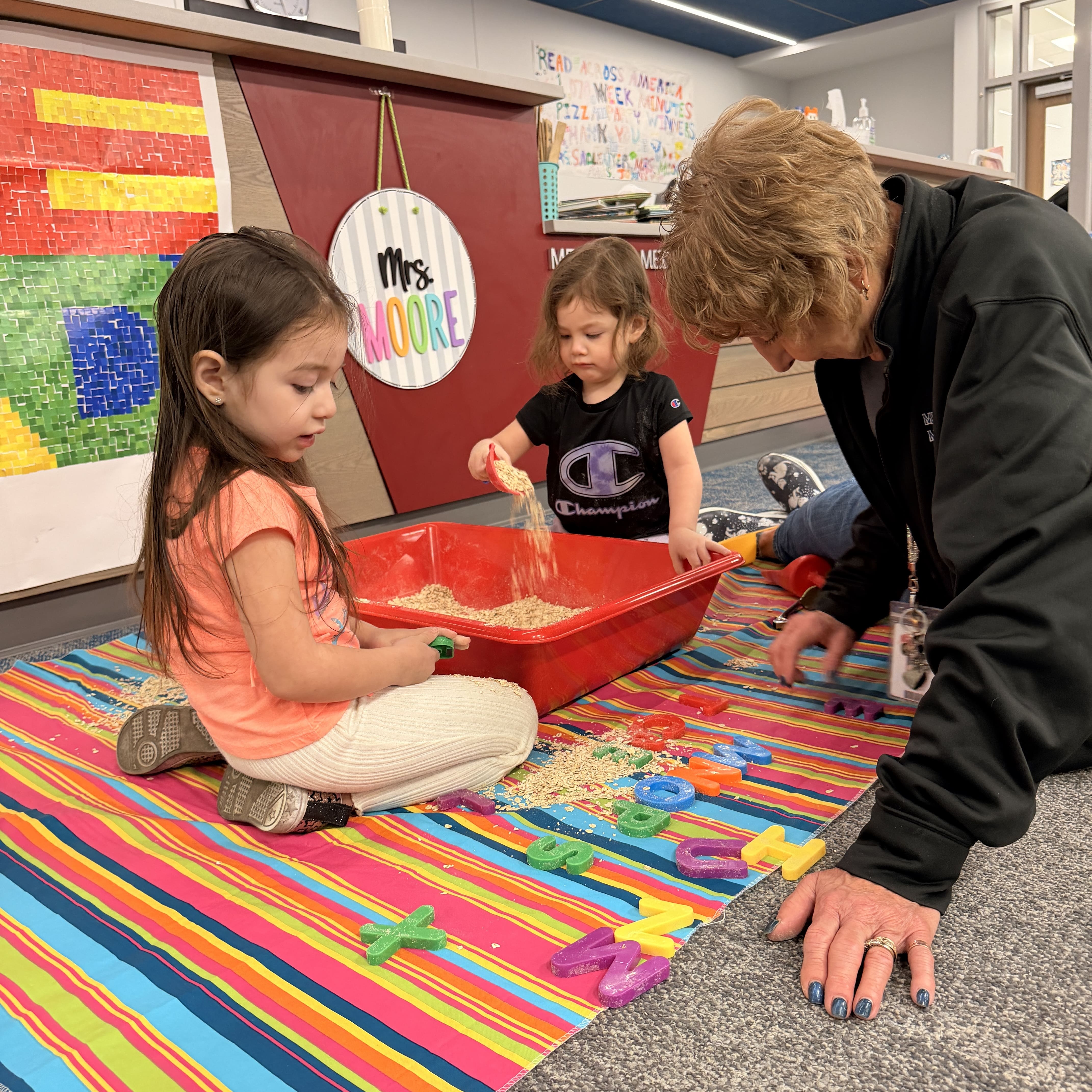
Throughout the year, she has hosted “stay and plays" and socializations, and offered home visiting—all designed to support child development and created specifically for families with children birth-age 5.
The School as Hub approach is part of the Superintendents' Early Childhood Plan, a collaborative effort among the 11 school districts that make up the Learning Community of Douglas and Sarpy Counties. The initiative aims to expand access to early childhood programs and services, particularly for children living in poverty. The Buffett Early Childhood Institute provides leadership and support for the plan.
The School as Hub approach is currently implemented in 16 Omaha-metro schools, including Meadows.
“It was clear from the start that children and families are at the heart of everything the Meadows Elementary team does,” said Alyssa Anson, a program specialist at the Buffett Institute. “While the school had already built a strong sense of community, the School as Hub approach has helped extend that community to families beginning at birth. Watching these connections grow over the past year has been inspiring, and I look forward to seeing how Meadow’s continues to strengthen support for children and families in the years ahead.”
For Morice, her passion for this work is rooted in her own experiences as a parent.
"When I was a new parent, I needed a network of moms," she said. "I'm hoping that's one of the things the families in the 'Little Mustangs' program can get, a sense of community with people that you will be around for the next several years in the same school."
Currently, the “Little Mustangs” program serves 13 families with a total of 24 children birth–age 5. Monthly stay and plays allow families to come to the school, meet other families, connect to resources, and give children a chance to socialize with one another.
Home visiting supports expectant parents and families with young children by promoting healthy development, fostering strong home-school partnerships from the beginning of a child's life, and connecting families with community resources when needed. These one-on-one visits take place at home or another location preferred by families.
“My visiting isn't just talking to them and asking them questions. It's so much deeper than that," Morice said. "It's connecting families to the school, so that if they have a problem and something arises and they need help with something, we can be here to help them and assist them."
The relationships built through those visits help establish trust and create a support system for families during some of the most important years of a child's development.
"The parent-child relationship is so important, and so we want to foster that and cultivate that," Morice said. "What I'm hoping they understand is that they're not alone."
By bringing families together early, Meadows is creating connections that can last well beyond the “Little Mustangs” program. Those relationships not only help parents navigate the challenges of raising young children, but also strengthen the broader school community.
"I want us to get as many people as we can, as many families as we can," Morice said. "What I would like long-term for our district is a School as Hub program in all of our schools, because it’s worth it."
For Morice, the vision extends beyond enrollment numbers. She hopes the work being done today creates a lasting impact for students, families, and the district as a whole.
"I want this to be my legacy," she said. "I want to build this 'Little Mustangs' program. I want it to be able to help families in our school. I want to be able to help kids and give kids opportunities."
Greta Morris joined the Buffett Early Childhood Institute in June 2023. In her role as public outreach communications specialist, she is responsible for media relations, communications, and public outreach.
Photo Gallery
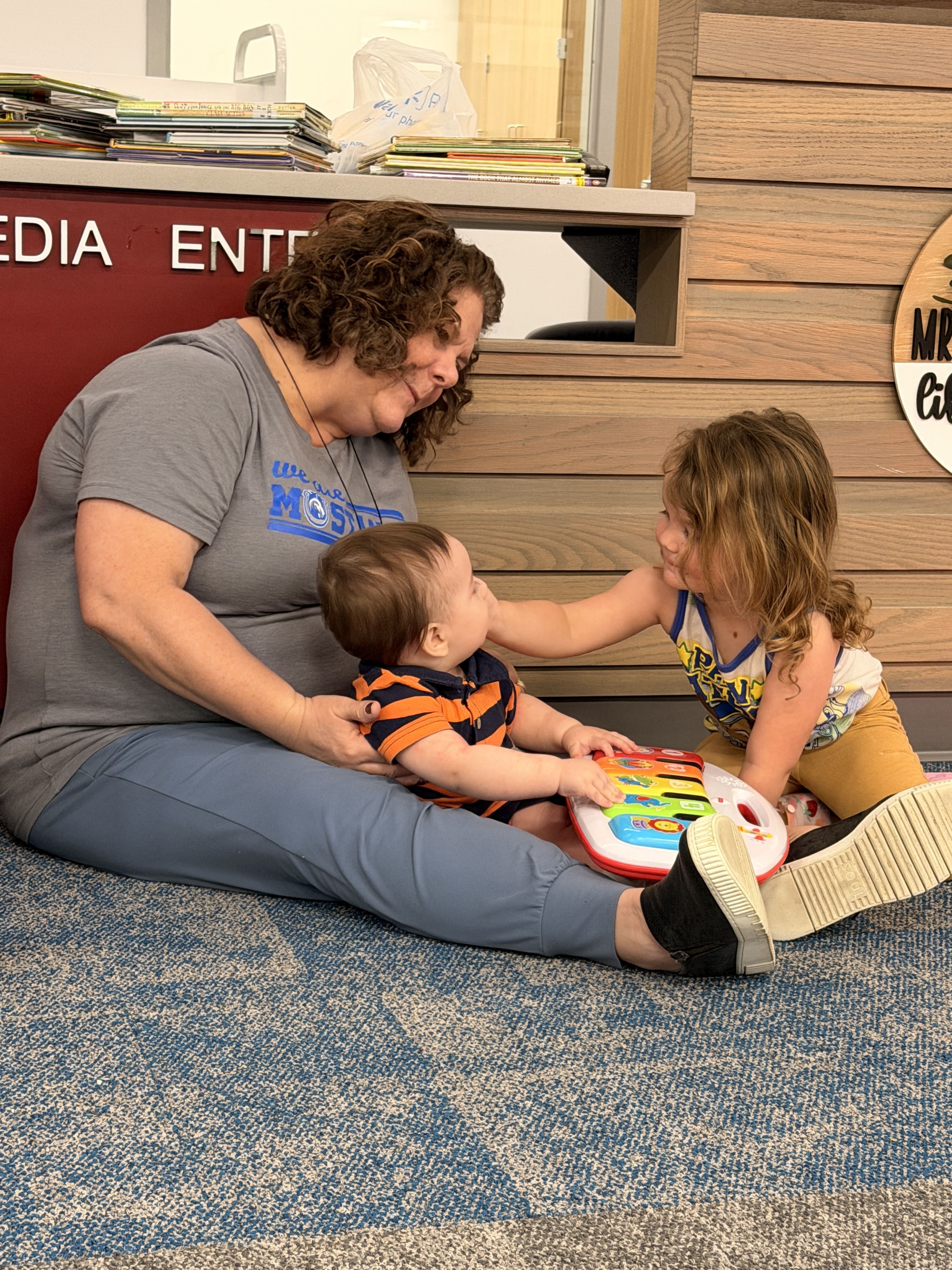
“My visiting isn't just talking to them and asking them questions. It's so much deeper than that," Family Facilitator Susan Morice said. "It's connecting families to the school, so that if they have a problem and something arises and they need help with something, we can be here to help them and assist them."