October 13, 2026
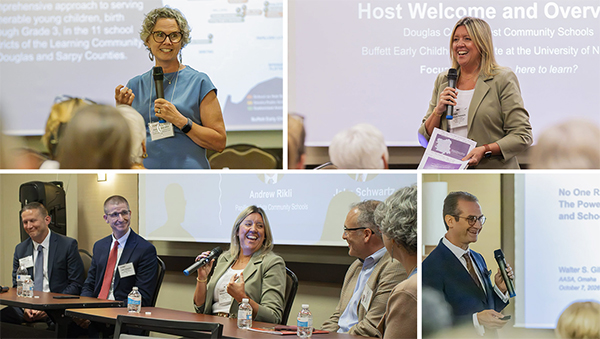
Education leaders from across the country gathered in Omaha Oct. 7–9 to learn how local school districts are working together to strengthen early childhood education and support children and families.
The visit was part of The AASA, the School Superintendents Association's, Early Learning Cohort, which brings together district leaders to explore research-based approaches to early learning, exchange ideas, and identify strategies they can bring back to their communities.
Throughout the visit, participants learned about the Superintendents’ Early Childhood Plan, a collaborative initiative of the 11 school districts of Douglas and Sarpy counties to develop early childhood programs for young children living in poverty.
The focus of the plan is on closing opportunity gaps so that all children can reach their full potential. In partnership with the Learning Community of Douglas and Sarpy Counties, the Buffett Early Childhood Institute at the University of Nebraska provides leadership and support for the plan, an innovative and comprehensive approaches to ensure early learning opportunities for all children.
“There have been iterations of what the Superintendents’ Plan has looked like, but we have never left the vision or mission,” said Melissa Poloncic, the superintendent of Douglas County West Community Schools.
Building a Culture of Collaboration
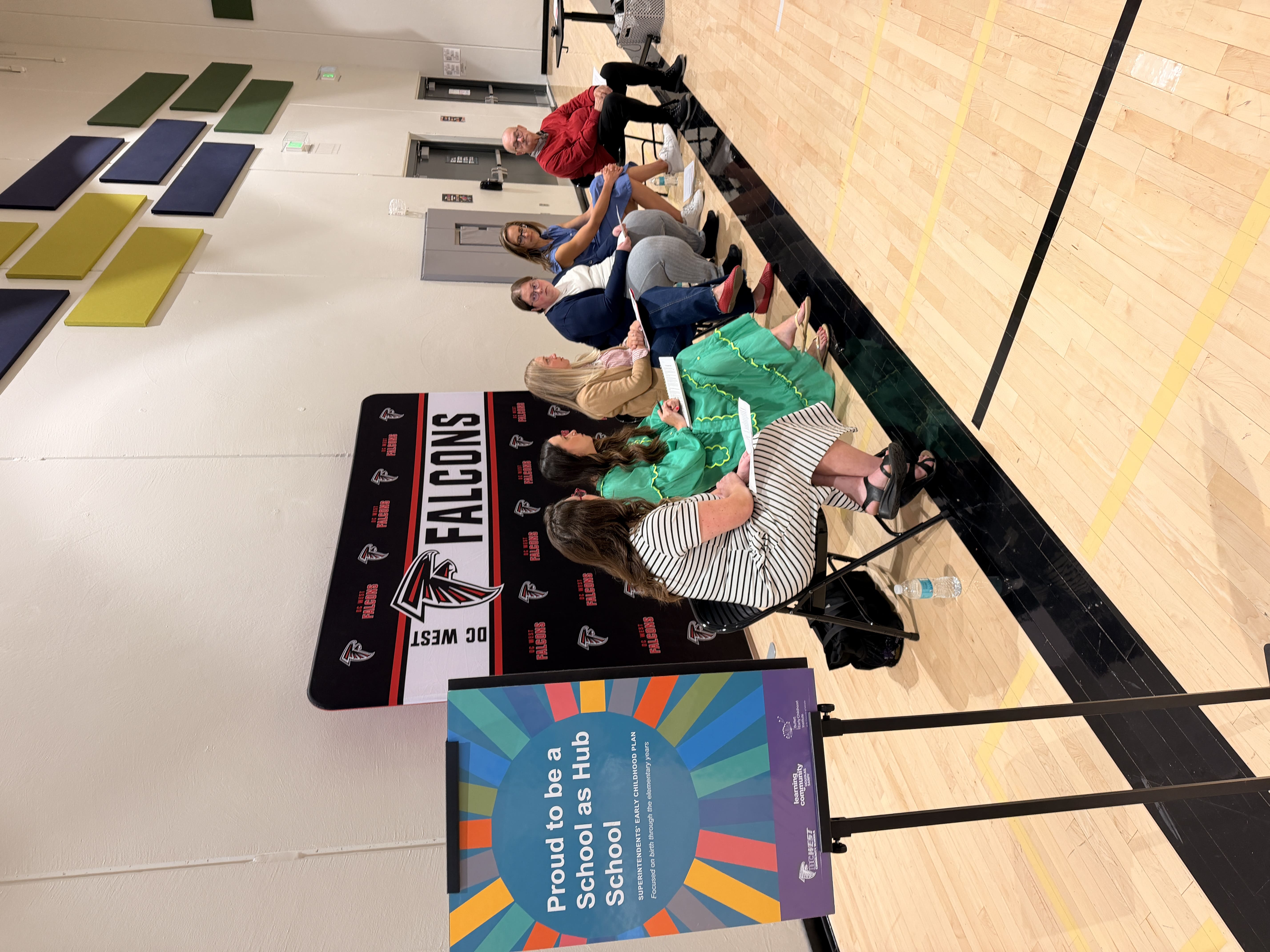
A panel featuring four Omaha-area superintendents discussed how the 11 districts developed a strong culture of collaboration despite differences in district size, priorities, and resources.
Panelists included Poloncic, Andrew Rikli of Papillion La Vista Community Schools, John Schwartz of Millard Public Schools, and Matt Ray of Omaha Public Schools.
While the partnership initially grew from legislative requirements, the subsequent collaboration among superintendents and administrators has created relationships and institutional capacity that extend across leadership transitions.
“I can’t begin to say how many times I’ve heard about a great idea (in another district), and our folks gather those ideas. There is no pride of ownership; we’re all just trying to learn from each other,” Schwartz said, emphasizing the value of sharing successful strategies across district boundaries.
Panelists also discussed the importance of aligning early childhood initiatives with district priorities, sustaining partnerships through leadership transitions, and addressing ongoing challenges related to funding, workforce development, and measuring impact.
Supporting the Whole Child and Family
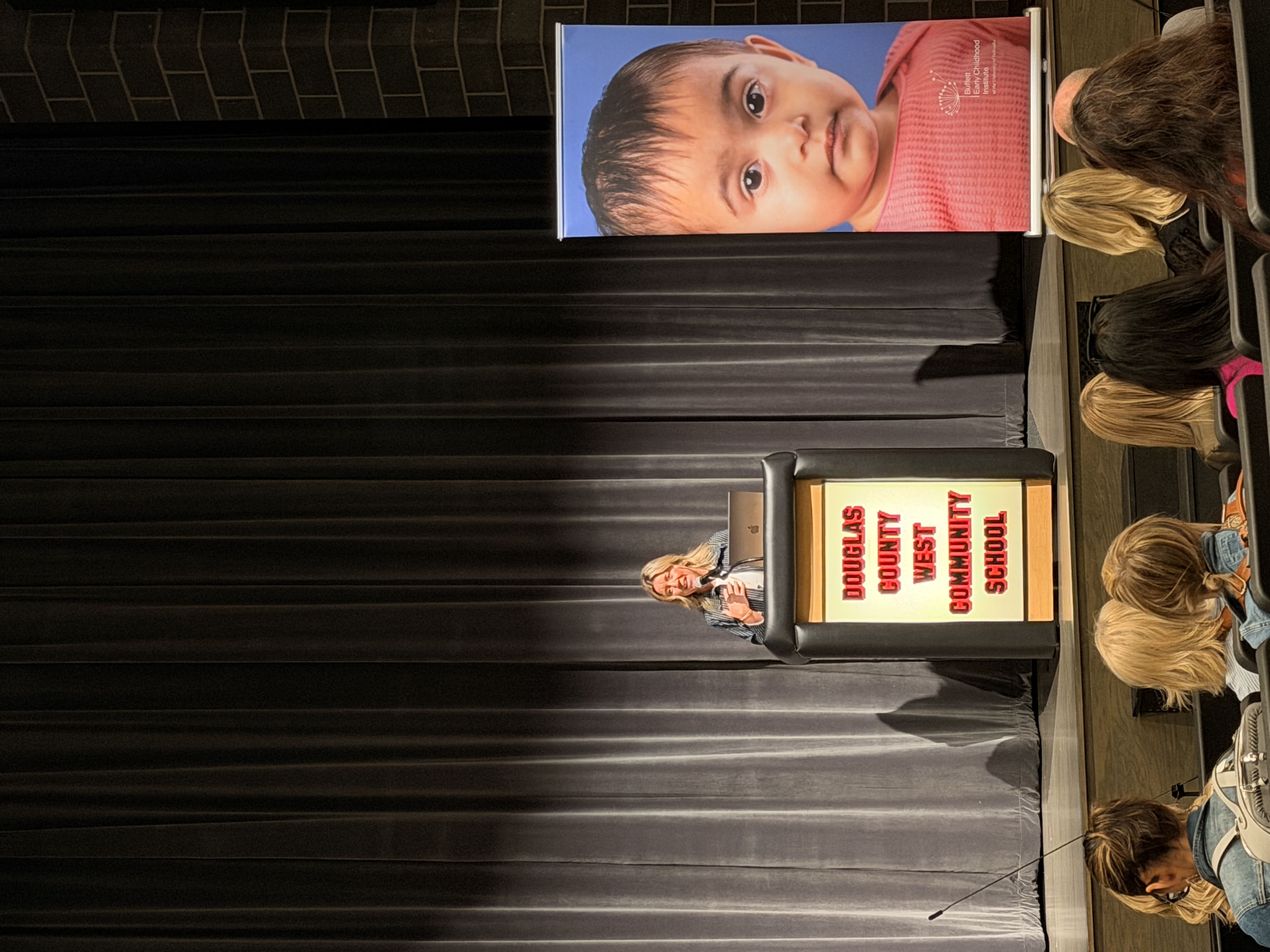
In a keynote presentation, Walter Gilliam, executive director of the Buffett Institute, emphasized that early educational experiences have lasting effects on children and that effective approaches must consider the whole child.
Gilliam encouraged leaders to view schools not simply as places of instruction, but as hubs connecting children and families with the resources, relationships, and services they need to thrive.
"Preschool is effective because of what it teaches, but also because it changes the nature of relationships: the relationship between the family and school, and the family and learning," Gilliam said.
Seeing the School as Hub Approach in Action
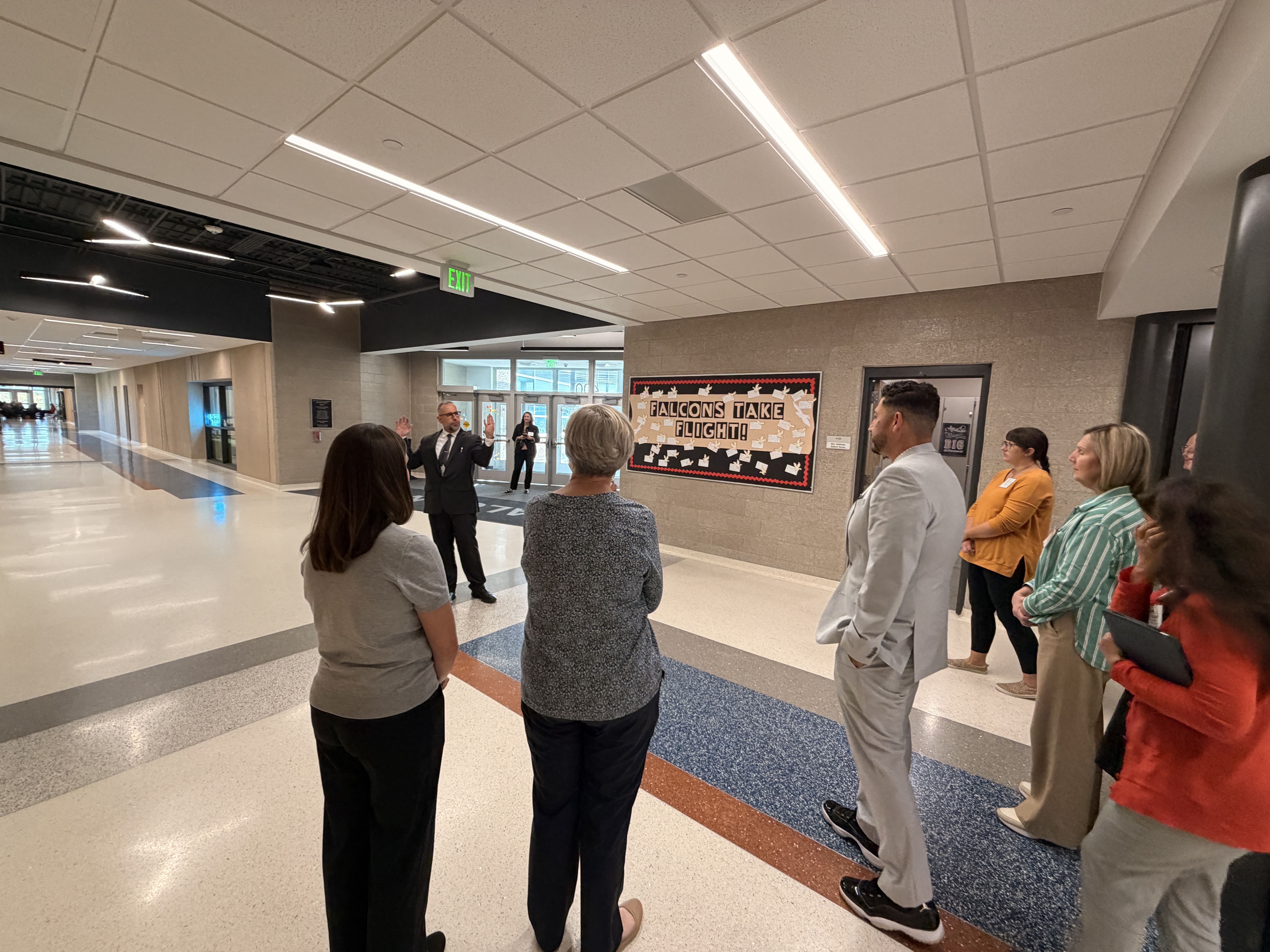
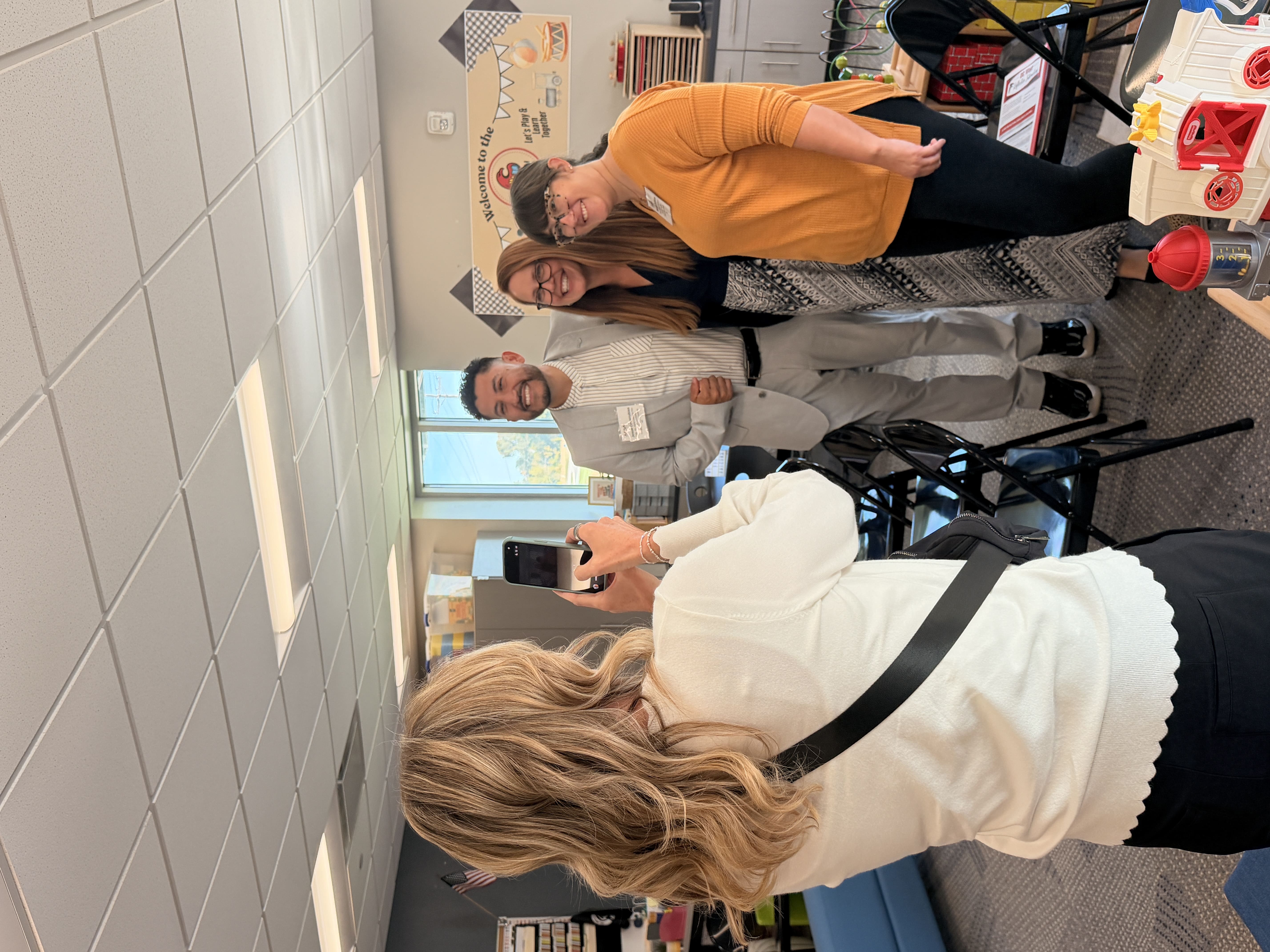
On Oct. 8, participants visited Douglas County West Elementary to see how the Superintendents’ Plan and School as Hub approach are implemented at the school level.
Through conversations with school and district leaders, educators, and community partners, participants explored how leadership, professional learning, family engagement, and community partnerships work together to support children from birth through the elementary years.
The visit also highlighted how sustained relationships with families can create continuity in children's learning experiences long before they enter Kindergarten.
For visiting leaders, the visit to Omaha offered an opportunity to consider how collaboration, community partnerships, and a shared commitment to early learning can strengthen educational systems in their own districts.
“This visit was a wonderful opportunity to showcase the commitment Omaha-area schools have made to early childhood education,” said Amy Schmidtke, Buffett Institute’s director of educational practice and Superintendents’ Plan project lead. “We hope the ideas and approaches shared here will inspire education leaders to see what’s possible when early learning is a priority and schools embrace their role in supporting children and families from birth onward.”
Greta Morris joined the Buffett Early Childhood Institute in June 2023. In her role as public outreach communications specialist, she is responsible for media relations, communications, and public outreach.
AASA Site Visit Photo Gallery