

August 28, 2026
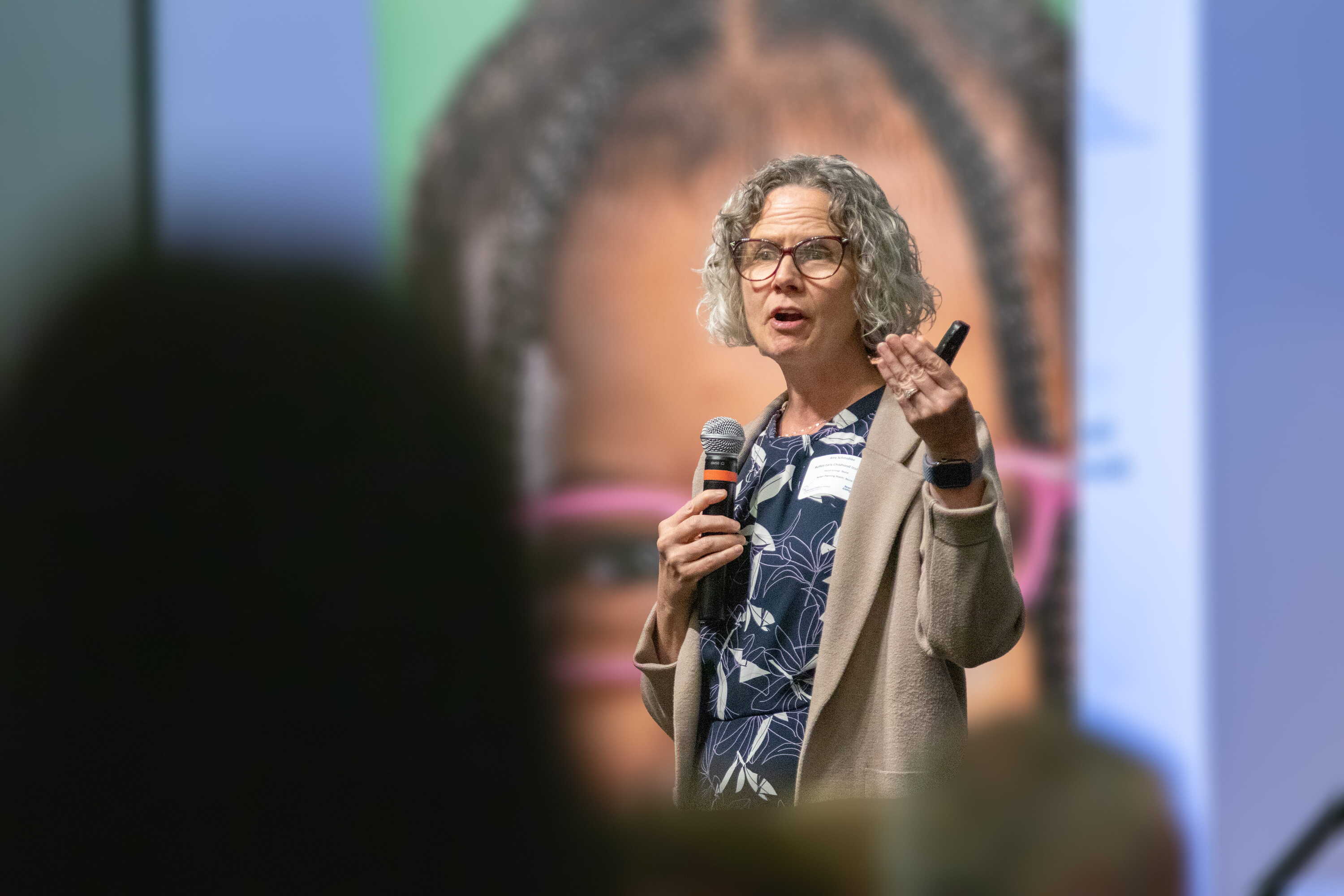
Amy Schmidtke, the Buffett Institute's director of educational practice, originally wrote this guest blog about the work of the Superintendents' Early Childhood Plan, for the AASA, the School Superintendents Association. It is the second in a series of three blogs. Read the excerpt below, and then read it in full on the AASA site.
In our first post, I shared how 11 school districts in the Omaha metro made the decision to work together around early childhood, building a partnership grounded in trust and shared learning. Over time, we discovered that collaboration was a foundation, but that alone wasn't enough. It's one thing for leaders to share a vision. It's another to build a system that ensures children and families experience it every day. That realization transformed our work.
Children Experience One Continuum. Adults Often Work in Many Systems.
A 4-year-old doesn't experience jurisdiction lines. She might spend her morning in child care, a preschool classroom, or at home with family. Either way, she experiences one continuous flow of relationships, routines, play, and learning. She doesn't stop developing socially, cognitively, and emotionally the moment Kindergarten makes the day more academic.
Adults, however, often organize our work differently. Districts have built strong systems for K-12 instruction, curriculum, and leadership. Early childhood programs, family engagement, and the primary grades frequently run through different structures and funding streams. Each does excellent work individually, but children and families feel the seams and silos between them.
That isn't because districts have failed. It's because most districts were never intentionally designed to function as birth-Grade 12 systems. Strengthening early childhood programming, we realized, required helping districts build the infrastructure that creates continuity across those earliest years.