August 5, 2026
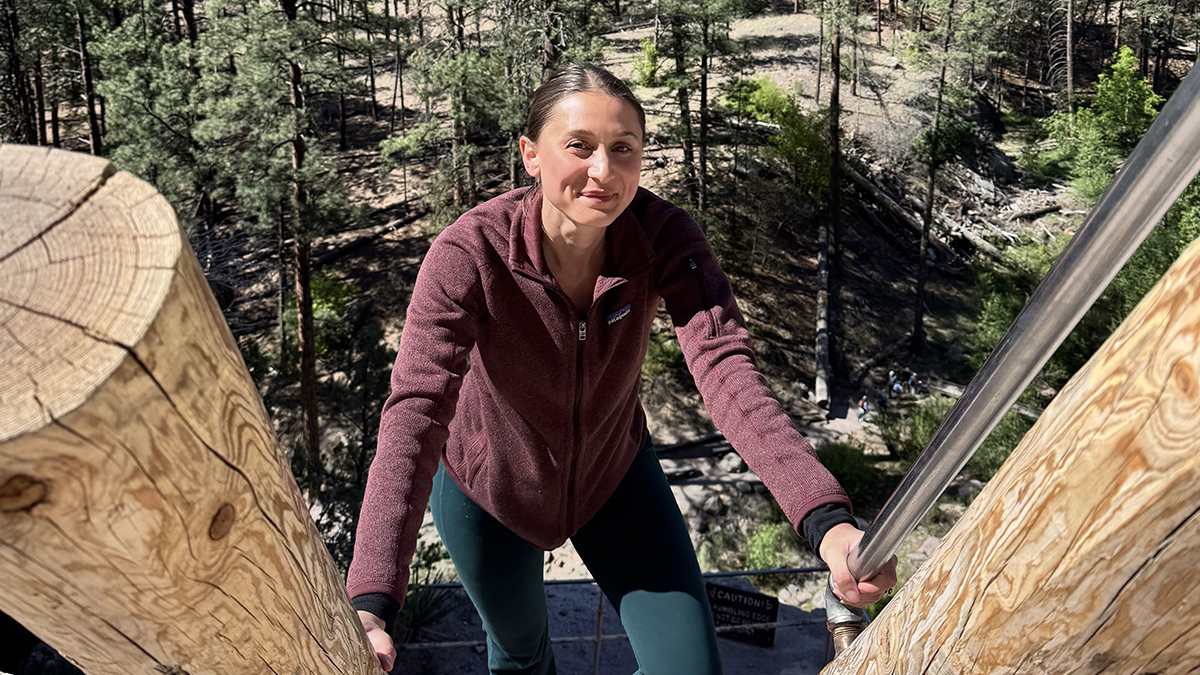
Alexandra Gregory saw firsthand how families can be harmed when support comes too late.
She trained in psychology and started her career in Australia’s youth justice and child protection services. But she quickly became disillusioned, feeling that families were more often hurt than helped by their involvement with the child welfare system.
“I was really thinking about what can I do to prevent people from even entering those systems in the first place,” she said.
Now a Ph.D. student in social psychology at the Menzies School of Health Research at Charles Darwin University, Gregory studies the perspectives of Australia’s First Nations parents, and how their knowledge, needs and priorities are essential for informing parenting program design and evaluation.
As an international Fulbright Scholar, she’s spent the last five months at the Centers for American Indian and Alaska Native Health at the University of Colorado Anschutz, working with and learning from Native American child development and child- and family-serving program experts like Nancy Whitesell and Michelle Sarche, the senior director of Tribal research, policy, and partnerships at the Buffett Early Childhood Institute at the University of Nebraska.
We spoke to Gregory about turning her research into tangible practices that support families, her experiences studying in the United States, and the importance of community-led research.
Early Influences
Gregory’s research and career trajectoryalso shaped by her early environment.
She grew up in Garramilla-Darwin in Australia’s Northern Territory. This huge, remote area borders the Timor Sea, in close proximity to southeast Asian islands and archipelagos. It’s a vibrant, multicultural place where 30% of the population is First Nations, including the Larrakia People, the traditional residents and stewards of the lands and waters of the Darwin area.
Her maternal family were Italian immigrants pressured to assimilate quickly in Australia, leading to culture and language loss that Indigenous people know all too well.
Her interests are contextually grounded understandings of the strengths and perspectives of parents and exploring Indigenous parenting models that move beyond Euro- or American-centric ideas that center individual, nuclear families over intergenerational and community caregiving.
Shared Histories, Shared Strengths
Gregrory arrived in the United States in February and wrapped up her Fulbright program in mid-July.
Indigenous people are not a monolith, she said, but parallels between the historical treatment of Native families in North America and Australia are easy to draw, as are parallels between their strength, resiliency, and persistence in the face of attempted cultural erasure.
“It's not to say that the work you do in one Indigenous context can be directly applied to another. What is important are the many lessons for us in the ways of working, and I see so many synergies between the North American space and where I live and work back home,” she said.
At the Centers for American Indian and Alaska Native Health, she’s worked with faculty on several projects, including:
- Thiwáhe Gluwáš'akapi (TG), an early substance use prevention program for Lakota families
- The Tribal Early Childhood Research Center (TRC) study to understand and measure Indigenous early relational wellbeing among young children
- The Center for Indigenous Research Collaborations and Learning for Home Visiting (CIRCLE-HV) study of home visiting programs across the United States.
The cross-pollination has already begun: Gregory is bringing in Chelsea Wesner, an assistant research professor at Colorado, to help on the design of a research project involving Tiwi families in Australia, and to contribute to a scoping review of international literature on measures of parenting.
Gregory is the second Fulbright Scholar to work on Tribal child development projects with Sarche, Whitesell, and team.
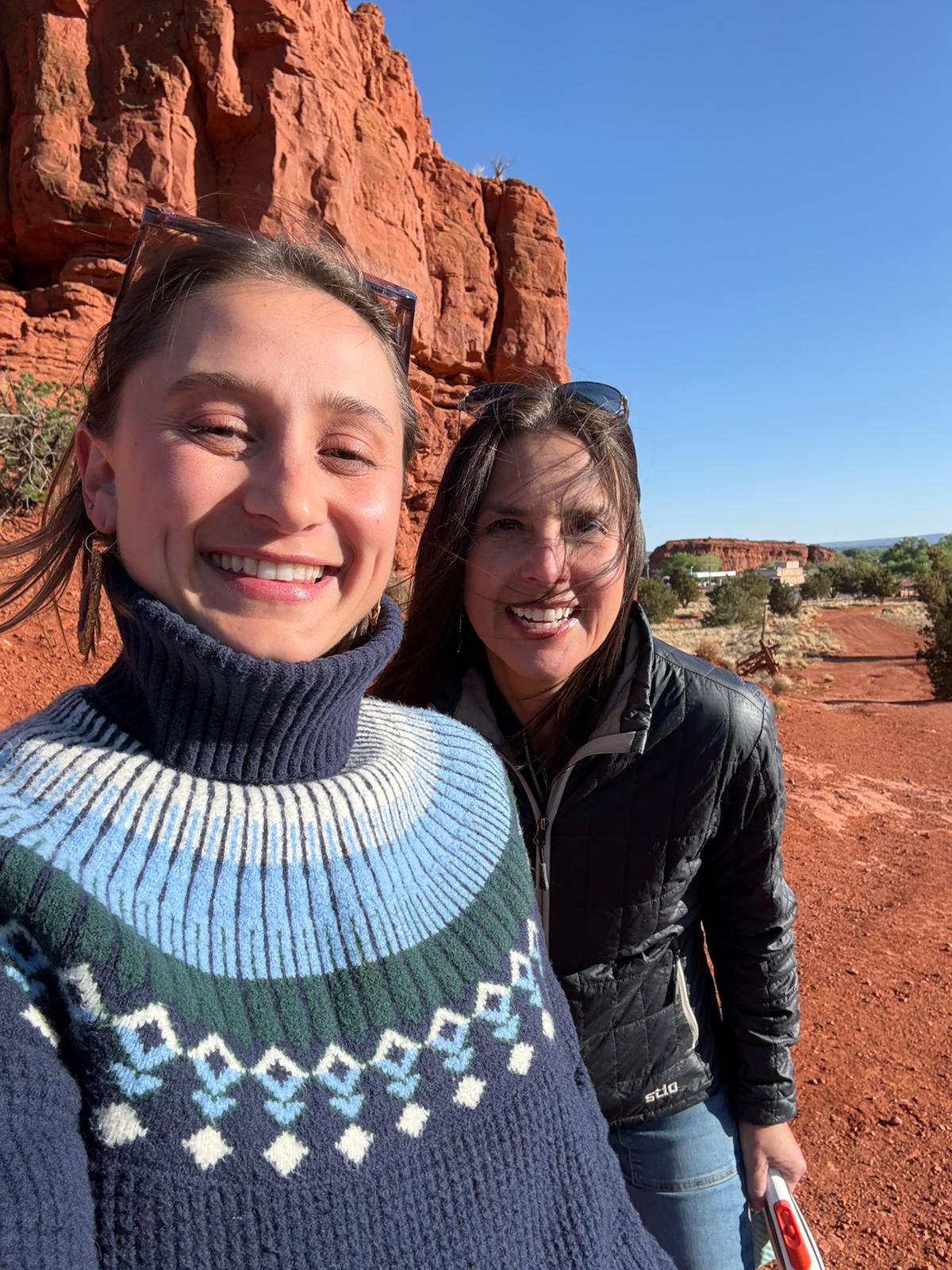 Alexandra Gregory, left, and Michelle Sarche
“There is so much to be gained from this cultural exchange that could never be learned by reading or listening alone,” Sarche said. “Alexandra has expanded our entire team’s understanding of the work we do in support of Indigenous child and family health—both how we do our work, and the priorities we must address.”
Whitesell said Gregory has challenged U.S. researchers to think more creatively about communicating research findings and connecting with Indigenous communities.
“Her passion and commitment to supporting communities in their efforts to ensure optimal outcomes for children and families is inspiring,” Whitesell said. “We look forward to continued collaboration with Alexandra across continents and time zones on several ongoing projects and to new opportunities to engage with her and her community partners in the future.”
Connecting Research and Practice
One of Gregory’s overarching goals is to make research relevant and accessible, especially for the communities being served.
“You can create programs with the best of intentions, but you really need to see how they work in the real world,” she said. “Otherwise, we end up with lots of programs, incredible work, that just sit on the shelf and don't get used ... How do we make sure that the research that we're doing actually gets out to the people who are working with families?”
Home visiting, for example, typically involves health or early education professionals meeting new and expectant parents to build trust, connect them with resources, and support their understanding of child development.
“It’s a sustained relationship with someone whom you trust, who walks alongside you from pregnancy through to those really formative early years, which we know are crucial to child development and wellbeing across the lifespan,” Gregory said.
Similar to the programs involved with CIRCLE-HV, the Australian home visiting programs she’s studied have incorporated Indigenous values and priorities.
“The broader research community has a lot to learn from Indigenous research methodologies around relationships, respect, reciprocity, the knowledge that comes from being in place,” she said. “There are these really strong principles that my time here has just elucidated to me in a way that has been really powerful.”
Erin Duffy is the managing editor at the Buffett Early Childhood Institute at the University of Nebraska and writes about early childhood issues that affect children, families, educators, and communities. Previously, she spent more than a decade covering education stories and more for daily newspapers.